
Home / Sabari Waterfall
Shabari Water Fall Chitrakoot
( 15 Review )
2-3 Hours

max - 30 people

WiFi - Available

Pickup- Railway And Bus Station
About Shabari Water Fall
Shabari waterfall (Shabari Jal Prapat) has three water bodies that fall from 40 feet parallelly, followed by a 60-foot-wide water bed (pool) and one more waterfall that leads to a larger water body that disappears in the forest. A comprehensive vista will captivate you with its distinct charm.
The rainy season is the most significant time to visit Shabari waterfall because of the increased water flow. The best months to visit are July through September, though you can stay until December. There will be very little water during the winter, and you will not have the best view. The waterfalls surroundings are tranquil and peaceful, with lush foliage and diverse flora and wildlife. The area is home to various birds, monkeys, and other wildlife, making it an excellent location for birdwatching and wildlife photography. Visitors may also participate in various adventure activities such as rappelling, trekking, and camping, making it a perfect destination for adventure seekers.
Take a bath in the pool or under the waterfall—both will be a great experience. However, be cautious, as rocks are highly slippery due to green water fungus, so walk slowly inside the water and, with caution, do not go near the edges.
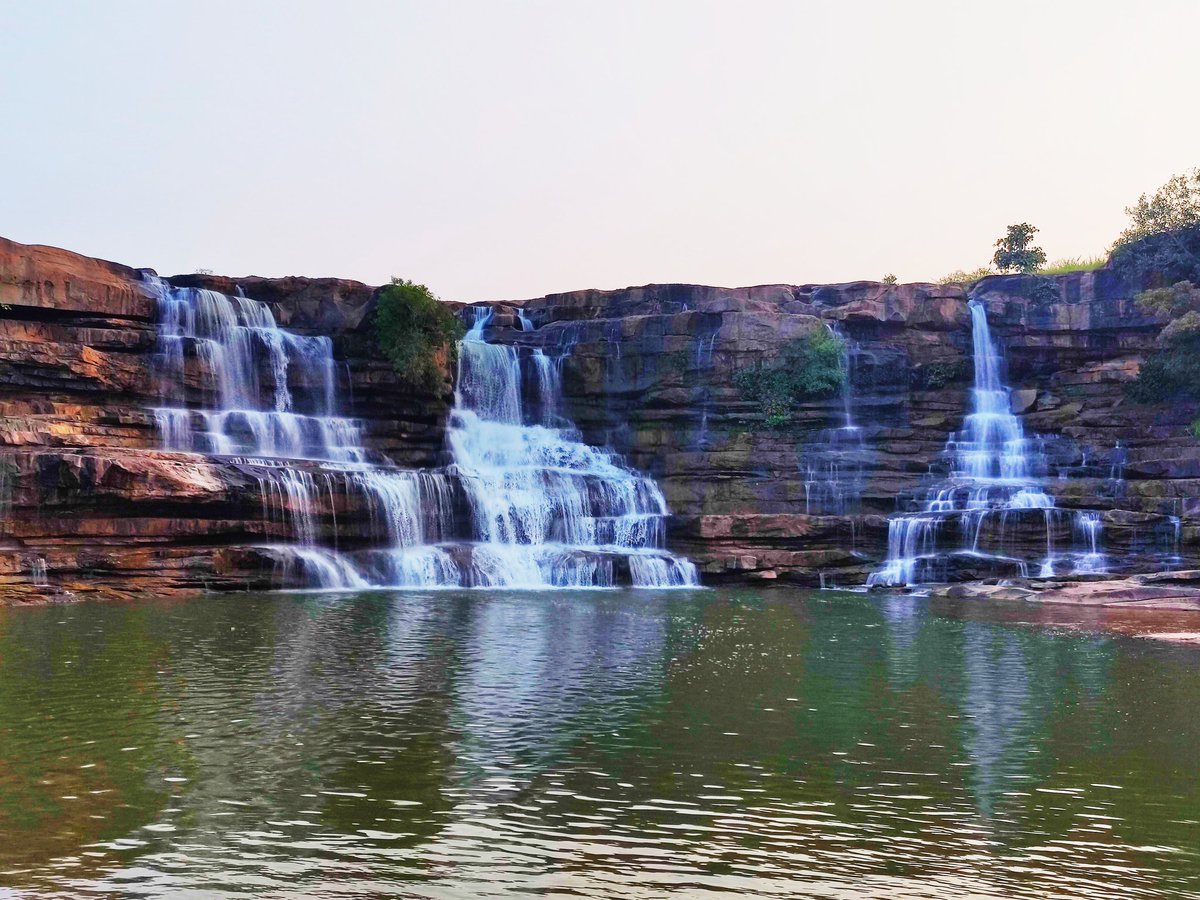
Outdoor cooking and dining are popular here since there is so much room; you may bring cooking utensils and enjoy cooking and eating in nature. If you enjoy photography and have a DSLR camera (camera phones can also do the job), this site will delight you; it’s a terrific landscape to take superb shots and show off your expertise on social media.
According to mythology, the waterfall is named after Shabari, a figure from the Indian epic Ramayana who is thought to have resided in the surrounding jungles. Lord Rama is reported to have visited Shabari at this very location during his exile and enjoyed the berries she had offered him. As a result, the waterfall retains a special place in Hindu mythology and is revered by locals. DM Dr. Jagannath Singh (the District Magistrate at the time) designated this location on July 31, 1998, after doing a study. This region used to be a hiding place for dacoits, which had kept this place away from people, but thanks to the local administration, which is working on improvement and security in the area, more and more people are visiting this place.
The glass skywalk bridge was constructed by the Pawan Sut
Construction Company, based in Ghazipur, under the supervision of the Forest and Tourism
Department. The bridge, which can withstand a load of 500 kg per square metre, features an
arrow-shaped extension that stretches 25 metres into the abyss and is 35 metres wide between
the two supporting pillars.
As guests walk across the glass skywalk bridge, they will be treated to a breathtaking
360-degree view of the Tulsi Waterfall and the surrounding lush forest. The bridge’s
translucent glass panels allow an unobstructed view of the three cascading streams that fall
into the huge lake bed around 40 feet below, creating an awe-inspiring and immersive
experience./p>
Kamatanath
( 5 Review )
Bharat Koop
( 5 Review )
Hanuman Dhara
( 5 Review )
Ram Ghat
( 5 Review )Facilities
| Facilities | Description |
|---|---|
| Geust House | Lorem ipsum dolor, sit amet consectetur adipisicing elit. Ab, tempore. |
| Hotels | Lorem ipsum, dolor sit amet consectetur adipisicing elit. Ea, quidem? |
| travel | Lorem, ipsum dolor sit amet consectetur adipisicing elit. |
| Food | Lorem ipsum dolor sit amet. |